Why Simple Preparedness Beats an Overloaded Survival Kit
A bigger pack doesn't automatically mean a trip. Being ready is not about buying things. Sometimes unfamiliar not well taken care of or hard to get to gear might not be as helpful as a setup that has been tested. Bring light to move safely a dependable way to talk to someone, protection from the weather and a clear choice to turn back if needed. Think about what could go how to see it early and what simple step can stop it from getting worse.
Start with the problems that you might really face
Think about the trip you are going on not about a made-up disaster. A short walk close to a car has needs than a hunt far away and a dry autumn day is different from cold, wet or changing weather. Look at the path how daylight there will be, the land, cell phone coverage when you expect to come back and the hardest place you might reach for help.
Make a list of problems: twisting an ankle, a dead phone getting lost wet clothes, a broken car or coming back late. Tell a person you trust about the route, where you are parking who you're with when you expect to check in and the time when they should call for help. Let the possible problems decide what you bring. If navigation is the issue practice with a map and compass. If being too cold is possible bring a layer and a shelter that you can use even with cold hands.
Check for signs before they turn into problems
Many preparedness plans fail because of maintenance. Batteries can run out fuel bottles might not work elastic cords can lose their strength waterproof bags can. Food or medicine can go bad. A kit that looks good inside might not work outside.
Before every trip open every bag check the seals and look for rust, leaks, broken plastic, wet fabric and missing parts. Turn on lights and radios. Make sure a power bank can take a charge and that the cable fits the device. Fix or replace anything that needs a trick makes a noise or only works in a hard way.
Pay attention to your body. Numb fingers, shaking, confusion, getting more tired or being clumsy can mean you are in danger because of the cold. Headache, dizziness, sickness and weakness might mean you are too hot dehydrated or have another health problem. Move to a place stop what you are doing slowly warm or cool the person as needed and get medical help. Do not wait until someone collapses.
Carry things, but make them easy to reach
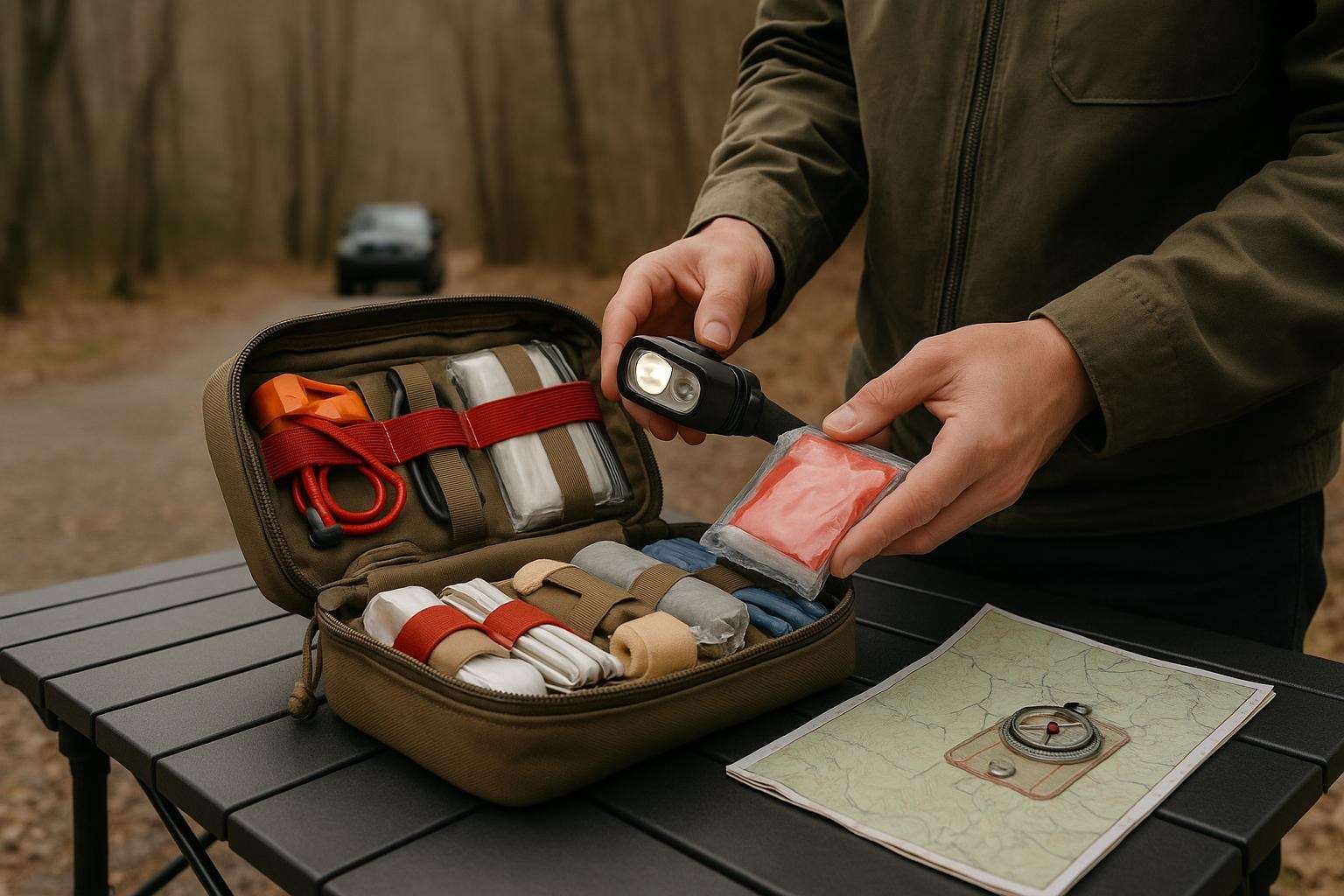
Essential items in a survival kit are not helpful if they are buried under extra clothes or stuck in packaging that is hard to open. Group gear by what you need to do: navigation, light and communication; first aid and medicine; warmth and shelter; water and food; and repairs. Keep the things you need in the few minutes at the top or in easy to reach pockets.
A small kit might have a charged phone, a light basic first aid, necessary medicine, water, clothes that fit the weather a simple shelter or ground cover fire starting tools if allowed and safe and a map or other reliable way to find your way. What you bring should match the path and the people. Different plans are needed for people with allergies, diabetes or trouble moving compared to a person walking on a maintained trail.
Don't bring things you have never used before. Read the instructions at home try the item in a place and keep the instructions with it if it is not easy to use. Complex filters, stoves, satellite devices or knot systems can give a sense of security.
Navigation needs a stopping rule
Uncertainty is not a problem to push through. A place that does not match the map, a feeling that you're going the way a group spreading out or a route taking longer than expected are reasons to stop.
Set a rule: stop, bring everyone together check the map and where you are and do not pick a direction based on guesses. If the weather, visibility or daylight is getting worse go back on a known path. Stay where you are and call for help. Mark your location save phone power and make yourself visible might be safer than trying to find a shortcut.
Navigation tools help with decisions. They do not take the place of your own judgment. Batteries die signals can be. A digital position might be wrong. Bring a -electric tool that fits the area and know how to use it before you leave.
Shelter is a choice you make not something you wait for
Waiting until someone's wet, tired or shivering makes it harder to find shelter. Dark clouds wind coming through clothes, wet ground, dropping temperatures and a slow pace are signs to make a decision.
Stop enough to put on a dry layer add something to keep you warm from the ground and build a windbreak. Pick a place away from falling branches, areas where water might flood and open hills. Never use fire inside a tent or a closed shelter. Follow the makers instructions for any stove or heater: carbon monoxide can build up without a smell.. Ask for help if anyone has a headache feels dizzy is weak, sick or confused near a fuel burning device.
If the situation is worse than your gear or someones health gets worse call for help. Give the location you can the number of people any injuries or symptoms the weather what you are wearing and any immediate dangers. Follow the persons instructions of trying to rescue on your own.
Use one checklist that is worth the time
A short check before leaving is more useful than a list:
– The path, weather and daylight are checked; a time to return is agreed on.
– A person you trust has the plan, car details and check-in time.
– Phone, light, power source and navigation tools are tested.
– Water, food, medicine and first aid are there and easy to get.
– Dry clothes, rain protection and shelter match the weather.
– Batteries, fuel, seals and important closures are checked.
– Everyone knows what to do if separated, hurt, delayed or lost.
After the trip restock away and write down what was used, broken or hard to reach. Check rules, fire bans, hunting laws and emergency info before going; rules can change and official sources should come first.
Being ready is about confidence not carrying a lot. Familiar working items, seeing trouble early and being ready to change plans give safety, than a heavy bag full of things you never used.